

Falls aren’t a short-term problem. Without proper support, a fall can quickly lead to a host of long-term problems and discomfort. Your parent deserves to feel safe and supported at all times, so what are your options? When is it time to think about assisted living?
If your parent keeps falling and their safety at home is at risk, it’s time to consider assisted living. In professional care, your loved one will always have access to a safe environment and trusted caregivers. This is key to reducing their risk of future falls—and helping preserve their overall quality of life.
The Long-Term Risk of Falls for Seniors
Falls are more of a problem than most people realize. They’re not a small incident—a fall can permanently change a person’s life. They’re often due to underlying age-related changes and health conditions, which means recovery is often much harder.
Falls can lead to:
- Fractures, particularly hip and wrist fractures, which may lead to long-term immobility.
- Head injuries, which can result in lasting cognitive or physical impairments.
- A loss of confidence, leading to reduced mobility and social isolation over time.
- Increased dependency on caregivers or the need to transition to assisted living communities.
- Chronic pain stemming from injuries, which changes day-to-day comfort and well-being.
- Secondary health issues, such as blood clots or infections.
These all compromise your loved one’s quality of life. This is why assisted living communities work so hard to make every community member safe in their day-to-day lives. It’s not about staying upright—it’s about staying independent, healthy, and happy.
How Assisted Living Helps Reduce the Risk of Falls
Assisted living communities are designed specifically to help seniors live safer, more secure lives. These environments focus on minimizing hazards that lead to falls. Meanwhile, a team of caregivers is always on-site and ready to help.
Some standout safety features in assisted living include:
- Grab bars in hallways and showers that provide extra stability.
- Non-slip flooring and mats that reduce the risk of slipping.
- Adequate lighting throughout the community to prevent accidents.
- Emergency call systems in apartments and common areas.
- Secure entryways and surveillance systems that enhance overall safety.
- On-site associates available 24/7 to assist if an accident occurs or immediate help is needed.
Then, every community member receives a personal care plan that outlines their abilities and challenges. This way, your parent gets the exact level of care needed to lower their risk of falls. This is an incredibly helpful way to maintain their everyday quality of life.
The Benefits of Assisted Living
Assisted living is a simple and effective way to reduce the risk of falls. However, it also offers a host of other benefits. It’s a popular lifestyle and an incredible choice for older adults in need.
Safety & Security
Life in an assisted living community revolves around safety. Emergency response systems provide immediate access to help, and the secure, supervised environment means residents are always within reach of trained professionals.
Experienced Caregivers
Skilled associates are trained to assist with mobility, provide medication management, and help with day-to-day tasks. Their presence helps reduce risks like dizziness from missed doses or difficulty navigating hazardous areas. If something does go wrong, emergency systems make it easier than ever to get your parent the care they need.
Programs & Activities
Communities encourage physical exercise through balance-promoting programs and fun fitness classes. Social activities and group events also provide a sense of belonging. Together, these make every day more social, active, and engaging.
Convenient Amenities
Services like on-site dining address nutritional needs while removing the burden of meal preparation. Plus, assisted living communities offer services for housekeeping, maintenance, and more. This means less clutter and cleaner spaces, so your loved one doesn’t need to worry about putting themself at risk.

How to Tell If It’s Time for Assisted Living
It’s not always easy to decide when the time is right for assisted living. However, certain signs can indicate your loved one may need additional care.
Some common signs it’s time for assisted living include:
- Frequent falls at home despite efforts to improve safety.
- Trouble with basic daily activities such as dressing and bathing.
- Medical concerns that require ongoing monitoring or frequent check-ins.
- Signs of loneliness, isolation, or depression.
- Growing reliance on family caregivers and friends.
If any of these challenges sound familiar, your parent may need more support than they’re currently getting. Assisted living isn’t about taking away their independence—it’s a way to help them stay autonomous and active while prioritizing safety and quality of life.
A Place to Call Home
Assisted living is invaluable if falls are a risk for your parent. Communities like ours offer a unique combination of safety, support, and community, all designed to make life safer, healthier, and fulfilling. It’s what your parent deserves, after all.
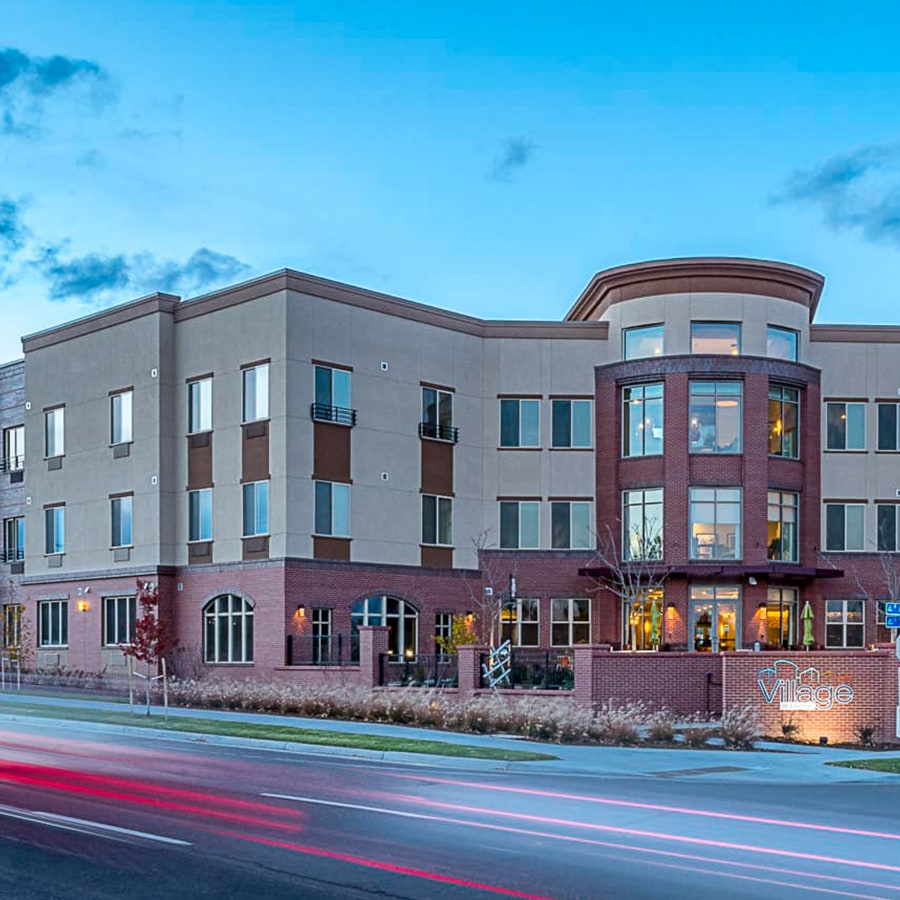
Here at Village at Belmar, we’re proud to offer a place where your parent can thrive. In our community, they’ll always be a priority, and we know how to make every day safer. Contact our team today to discover the safe, welcoming space we call home.