

Key Takeaways
- The first day focuses on apartment setup, care team introductions, and establishing communication.
- Days 2-3 involve social connections, community exploration, and participation in activities.
- Midweek brings routine development and the addressing of any initial concerns.
- The weekend includes a care plan review and assessment of social integration success.
- Family support through visits, communication, and emotional reassurance helps ease the transition.
Your Loved One’s First Week Journey in Assisted Living
Moving to Village at Belmar represents a significant change for your family member, and you might wonder what those first few days will look like. The transition period brings new faces, routines, and surroundings that can feel overwhelming at first.
Your loved one’s first week in assisted living follows a carefully structured approach that prioritizes comfort, connection, and gradual adjustment to their new home. Each day builds upon the previous one, creating a foundation for long-term happiness and well-being in their new community.
The First Day: Arrival and Apartment Setup
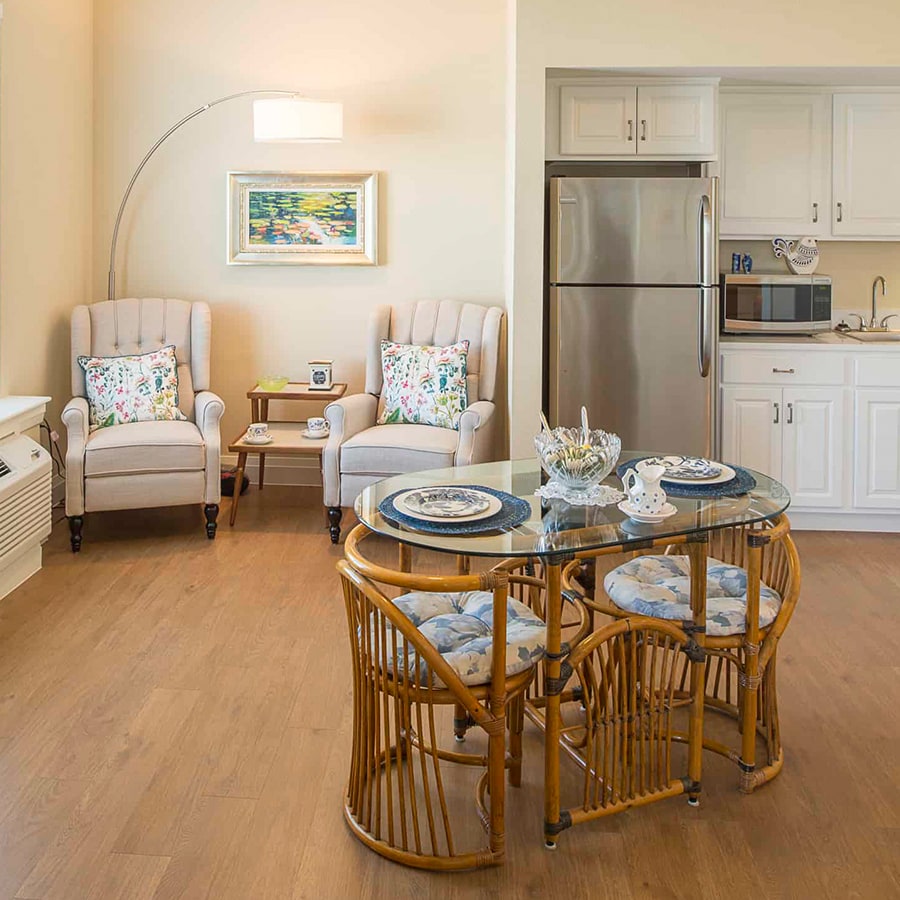
Move-in day sets the tone for your loved one’s entire experience. Associates will conduct a thorough apartment walkthrough, showing your family member where everything is located and how various features work. This includes lighting controls, emergency call systems, and climate settings.
Personal belongings placement happens with care and attention to your loved one’s preferences. Associates help arrange furniture, hang pictures, and organize clothing to make the apartment feel like home right away. Emergency contacts get established, and communication preferences are documented to keep you connected.
Meeting the care team represents one of the most important parts of day one. Your loved one will be introduced to their direct care associates, who will provide daily support. The care plan is reviewed and personalized to reflect individual needs, preferences, and routine habits that matter most to your family member.
Days 2-3: Social Connection and Community Introduction
Social connections begin naturally through visits to common areas and informal introductions to other residents. Associates facilitate these meetings, helping your loved one connect with others who share similar interests and backgrounds. Dining room interactions provide comfortable opportunities for conversation during meals.
Activity participation starts gradually, allowing your family member to observe and join in at their own pace. Whether it’s morning exercise, crafts, or discussion groups, these activities help build friendships and create a sense of belonging within the community.
Community layout exploration happens through guided tours that show your loved one where amenities and important spaces are located. This includes dining areas, activity rooms, outdoor spaces, and common areas where residents gather. Associates also review safety features and emergency procedures to help your family member feel secure.

Midweek Adjustments: Finding Comfort and Routine
Daily schedule development takes shape as your loved one settles into their new environment. Personal care timing gets adjusted based on their preferences, whether they’re early risers or prefer afternoon assistance. Meal times become more familiar, and your family member can explore dining choices and menu options.
Activity selection becomes more personalized as your loved one discovers which programs they enjoy most. Some residents gravitate toward fitness classes, while others prefer reading groups or music programs. Participation levels vary, and associates respect individual comfort zones.
Addressing initial concerns happens through open communication with care associates. Whether it’s apartment comfort adjustments, schedule modifications, or simply talking through feelings about the transition, the care team remains available to help. Family communication and visit planning also get established during this time.
End of Week: Progress Assessment and Future Planning
Care plan review occurs through weekly check-ins with the care team. Associates assess how well current services meet your loved one’s needs and make adjustments as needed. This might include changes to assistance levels, meal preferences, or activity schedules.
Family feedback and input discussions help create a complete picture of how the transition is progressing. Your observations and your loved one’s comments get incorporated into ongoing care planning to address any areas that need attention. Social integration success is evident in the new friendships and connections formed during the week.
Supporting Your Loved One Through the Transition at Village at Belmar
Visit frequency and timing during the first week should balance support with allowing your family member space to adjust. Short, regular visits often work better than lengthy stays that might interrupt the natural settling process. Communication with care associates helps you stay informed about daily experiences and any concerns that arise.
Signs of positive adjustment include improved mood, increased social engagement, and comfortable interactions with both associates and fellow residents. At Village at Belmar, our associates work closely with families to create personalized transitions that honor each resident’s unique needs and preferences.
We’d love to show you how our community supports both residents and their families through every step of the assisted living journey. Contact us today to schedule a tour and see firsthand how we can help make this transition a positive experience for everyone involved.