

Key Takeaways
- Start conversations in comfortable settings when everyone feels relaxed.
- Include your loved one in all decisions by listening to their concerns and preferences.
- Address common family worries about finances, location, and timing together.
- Visit communities as a team and ask specific questions about daily life.
- Create a supportive timeline that focuses on positive aspects of community living.
Starting Important Conversations About Senior Living
Talking about senior living options can feel overwhelming for families. You might worry about bringing up a sensitive topic or wonder how your loved one will react to the conversation.
The key to successful family discussions about senior living is creating an open, supportive environment where everyone feels heard and respected. When you approach these conversations with patience and understanding, you can work together to find solutions that benefit everyone involved at Village at Belmar.
How to Start the Conversation About Senior Living
Choose a comfortable, private space where your family can talk without distractions. Your living room or a quiet restaurant can provide the right atmosphere for meaningful discussions. Avoid having these conversations during stressful times or when someone feels rushed.
Pick a moment when everyone feels relaxed and open to discussion. Weekend mornings or after a pleasant family meal often work well. Focus on safety and happiness first rather than diving into logistics right away. You can say something like, “We want to make sure you’re safe and enjoying life as much as possible.”
Ways to Include Your Loved One in Decision Making
Listen to Their Concerns and Preferences
Ask your loved one about their daily living needs and what matters most to them. Some people value having help with housework, while others want access to social activities. Understanding their priorities helps you find communities that match their lifestyle.
Discuss their interests in social activities and hobbies. Many senior living communities offer art classes, book clubs, fitness programs, and group outings. Address any fears they have about losing independence by explaining how these communities actually support autonomy while providing assistance when needed.
Share Information About Different Care Options
Explain how independent living apartments offer maintenance-free living with optional social activities. Your loved one can enjoy their own space while having access to community amenities and new friendships. This option works well for active adults who want to simplify their daily responsibilities.
Describe assisted living support services that help with daily tasks while preserving dignity and choice. Team members can assist with medication management, personal care, and household tasks. For families considering memory care, discuss specialized programs like the Bridge to Belonging approach that provides gentle support during early cognitive changes.
Common Family Concerns and How to Address Them
Financial planning often tops the list of family worries. Research costs together and explore different payment options, including long-term care insurance or veteran benefits. Many families find that senior living costs less than maintaining a home plus hiring individual care services.
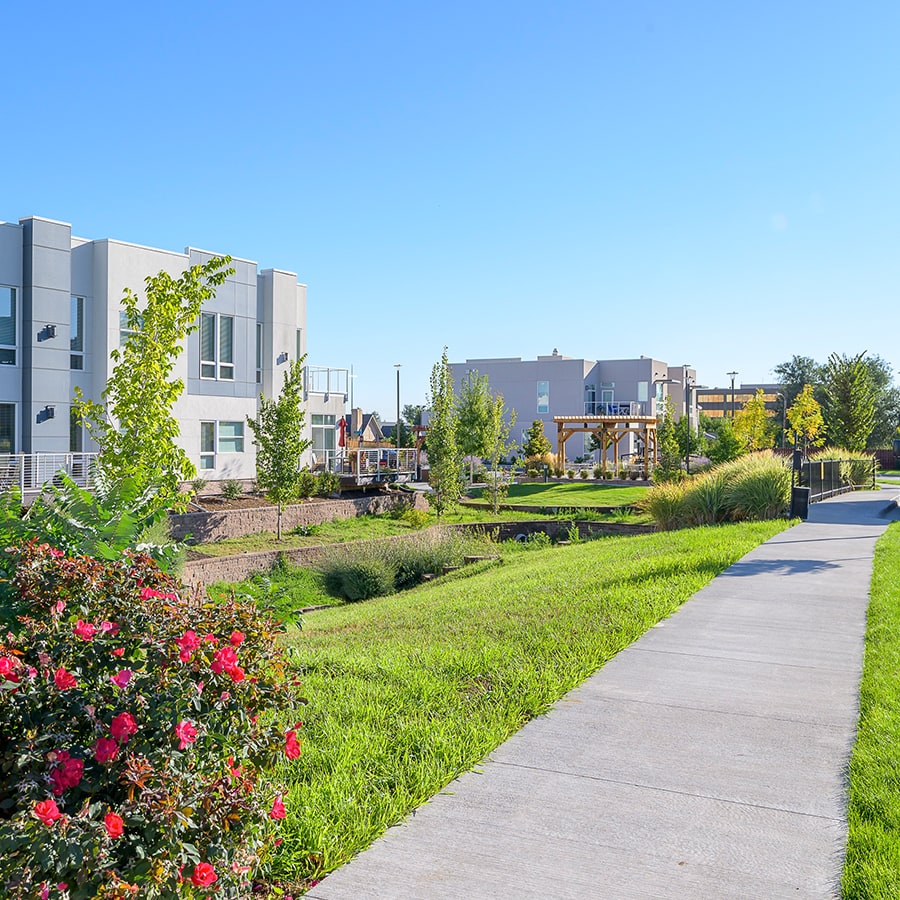
Location preferences matter to everyone involved. Consider proximity to family members, medical providers, and favorite places. Community amenities like gardens, libraries, and dining options can enhance daily life. Create a timeline that allows for gradual transition planning rather than rushing into major changes.
What to Look for During Community Visits
Questions to Ask During Tours
Ask about daily activity programming and wellness options available to residents. Find out what a typical day looks like and how residents can customize their schedules. Learn about personal care services and how team members support individual needs while respecting privacy and choice.
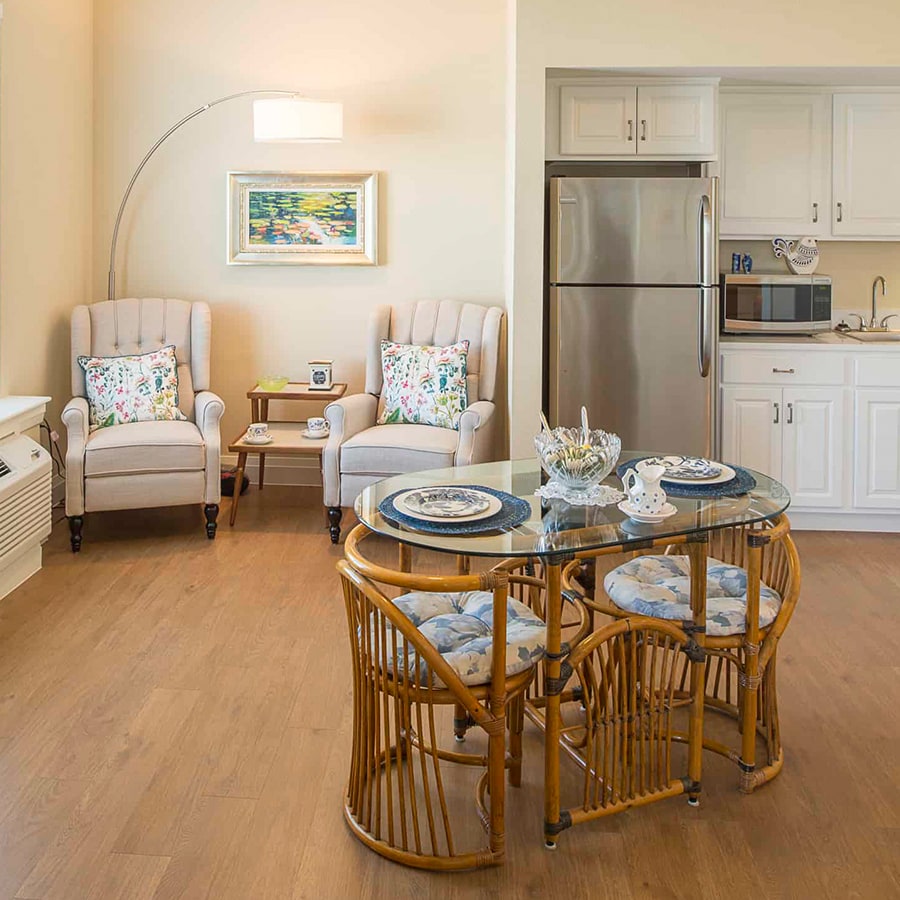
Tour apartment layouts and community spaces to get a feel for daily life. Ask about dining options, transportation services, and how families can stay involved after the move. Understanding these details helps everyone feel more comfortable with the decision.
Signs of a Supportive Environment
Watch for warm interactions between team members and residents during your visit. You want to see genuine connections and respectful communication. Notice whether residents seem engaged and comfortable in their surroundings.
Look for clean, comfortable living spaces that feel like home rather than institutional settings. An active social atmosphere with residents participating in activities or chatting in common areas indicates a vibrant community life. Social connection plays a vital role in healthy aging.
Moving Forward Together as a Team

Create a timeline that works for everyone involved and allows time for emotional adjustment. Your loved one needs time to process this major life change, and family members need time to prepare for the transition. Regular family involvement after the move helps maintain strong relationships.
Focus on the positive aspects of community living, such as new friendships, engaging activities, and peace of mind for the whole family. At Village at Belmar, families find that our compassionate approach to senior living creates partnerships between residents, families, and team members. Schedule a tour to experience our warm community atmosphere and see how we can support your family’s journey together.