Key Takeaways
- Physical safety features like secure entry points and fall prevention systems protect residents from wandering and injuries.
- Advanced monitoring technology provides 24-hour emergency response and health tracking capabilities.
- Specially trained associates deliver personalized care approaches for cognitive support.
- Thoughtful design elements help residents navigate spaces and maintain independence.
- Asking the right questions during your visit helps you evaluate true safety standards.
What Safety Features Matter Most in Memory Care
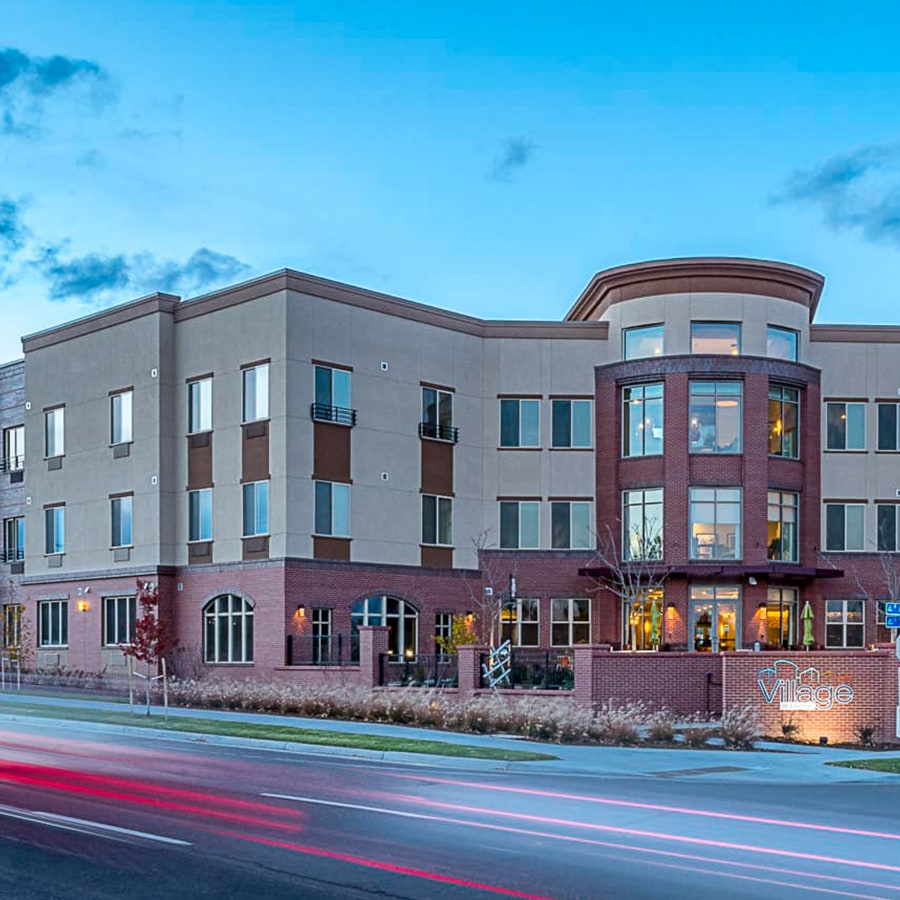
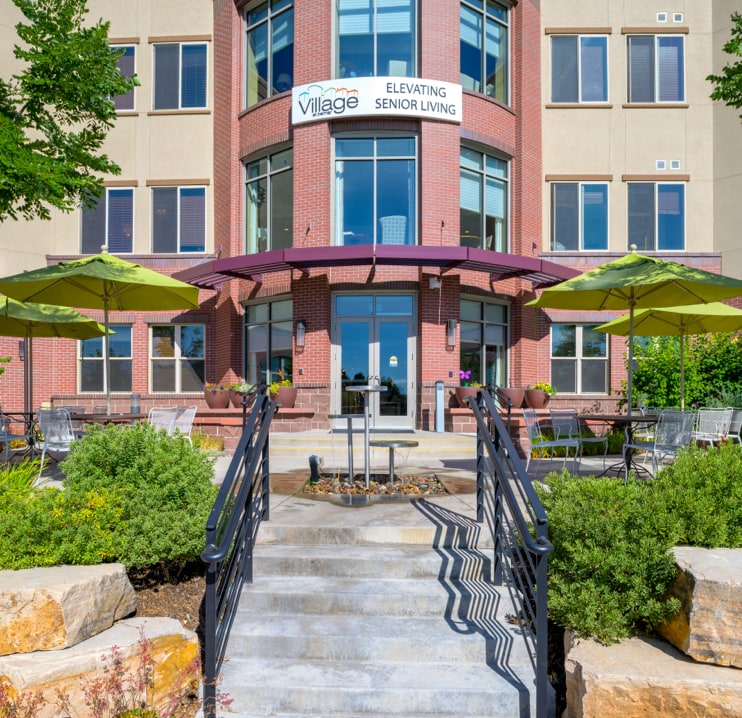
When you’re considering Village at Belmar for your loved one, safety becomes your top priority. You want to know they’ll be protected, comfortable, and able to move freely without risk of harm or confusion.
The right memory care community combines physical safety features, advanced monitoring technology, trained associates, and thoughtful design to create a secure environment that supports both protection and quality of life. These elements work together to address the unique challenges that come with memory care.
Physical Environment Safety Features That Protect Residents
Secure Entry and Exit Points
Your loved one needs freedom to move around their new home, but wandering can pose serious risks. Look for communities with monitored doors that use keypad access systems. These allow associates to move freely while keeping residents safe inside.
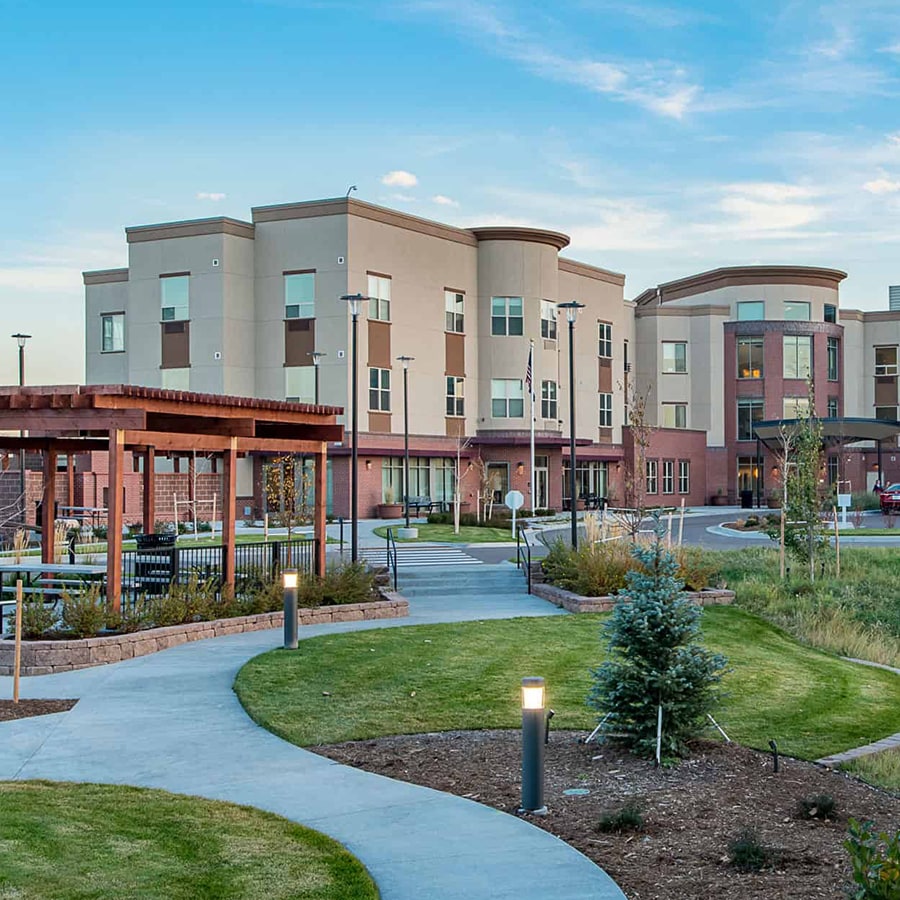
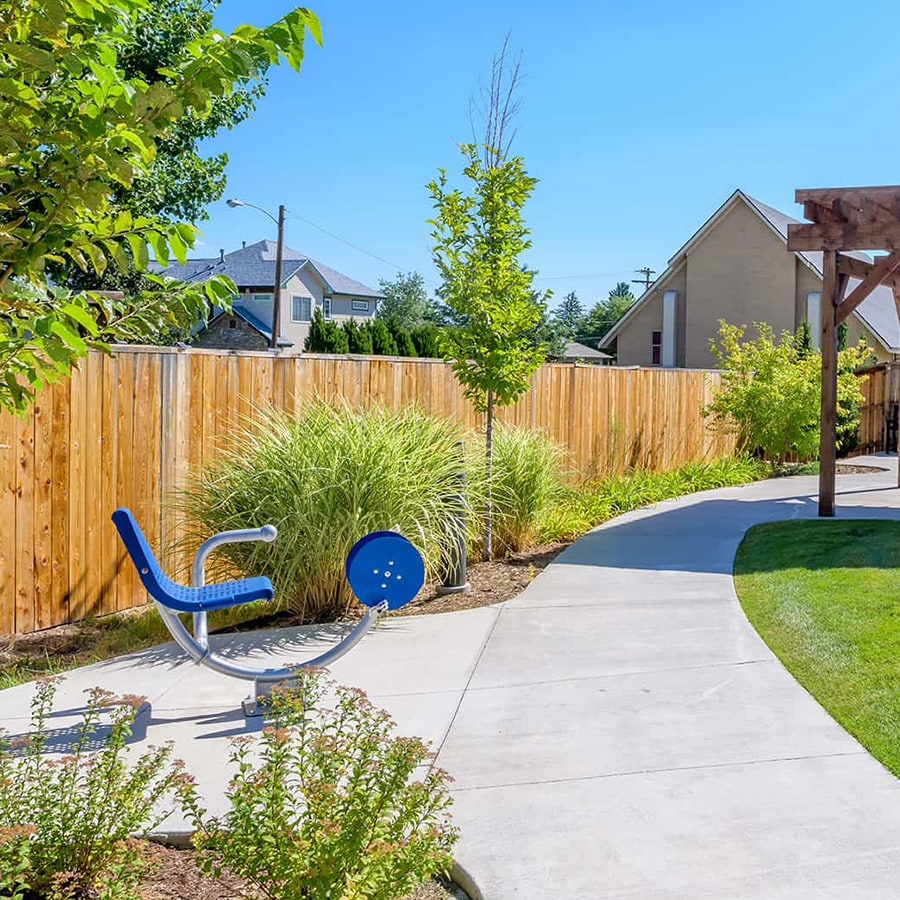
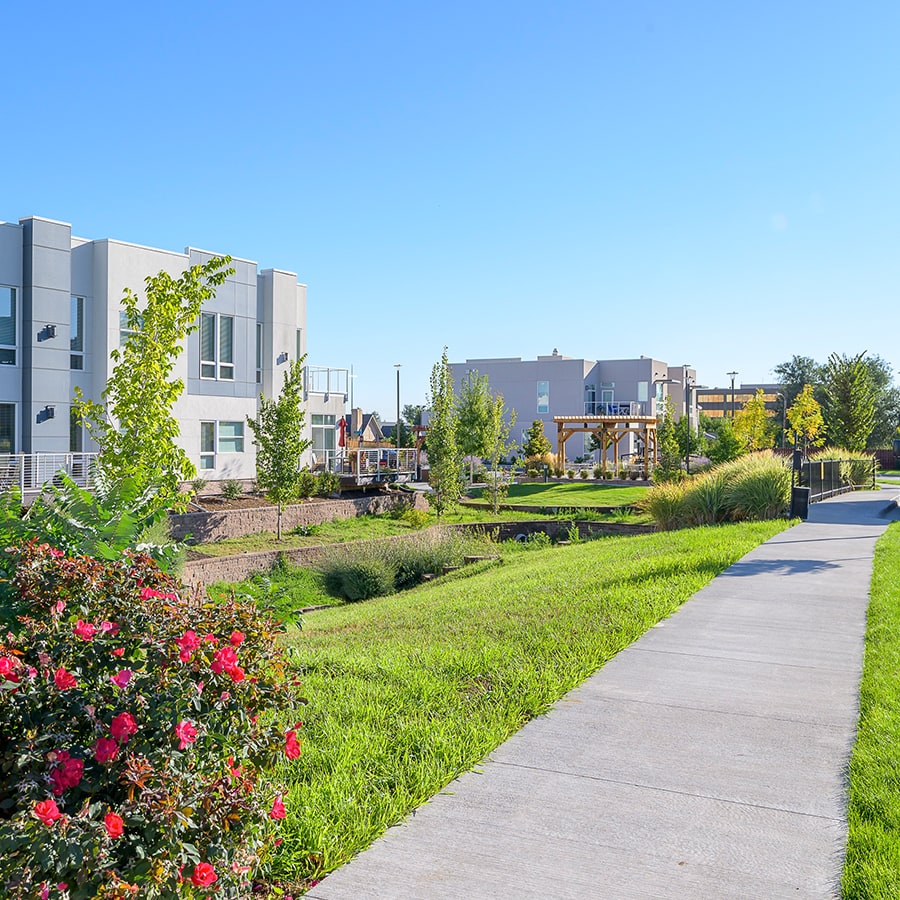
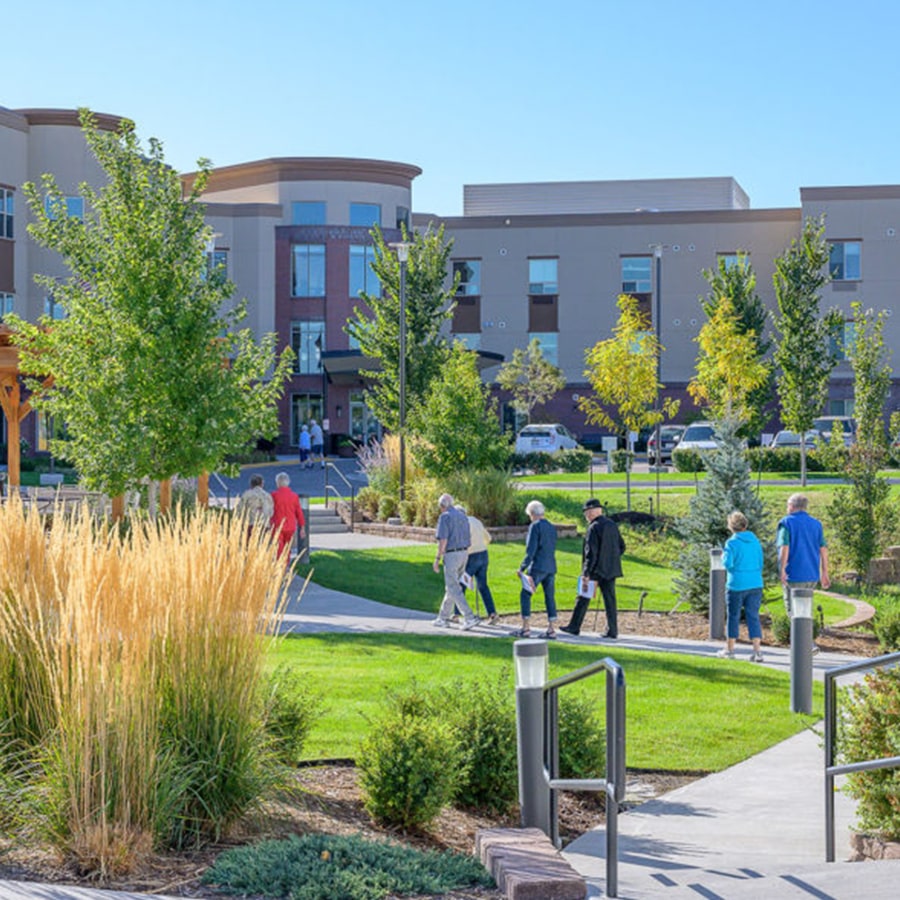
Wandering prevention technology adds another layer of protection. Some communities use wearable devices or sensor systems that alert associates if someone approaches exit points. Safe outdoor courtyard spaces give residents fresh air and nature access without safety concerns.
Fall Prevention and Mobility Support
Falls represent one of the biggest safety risks for memory care residents. The Village at Belmar uses AUGi fall prevention technology that monitors residents’ movement patterns and can predict fall risks before they happen. This advanced system helps associates provide support when needed most.
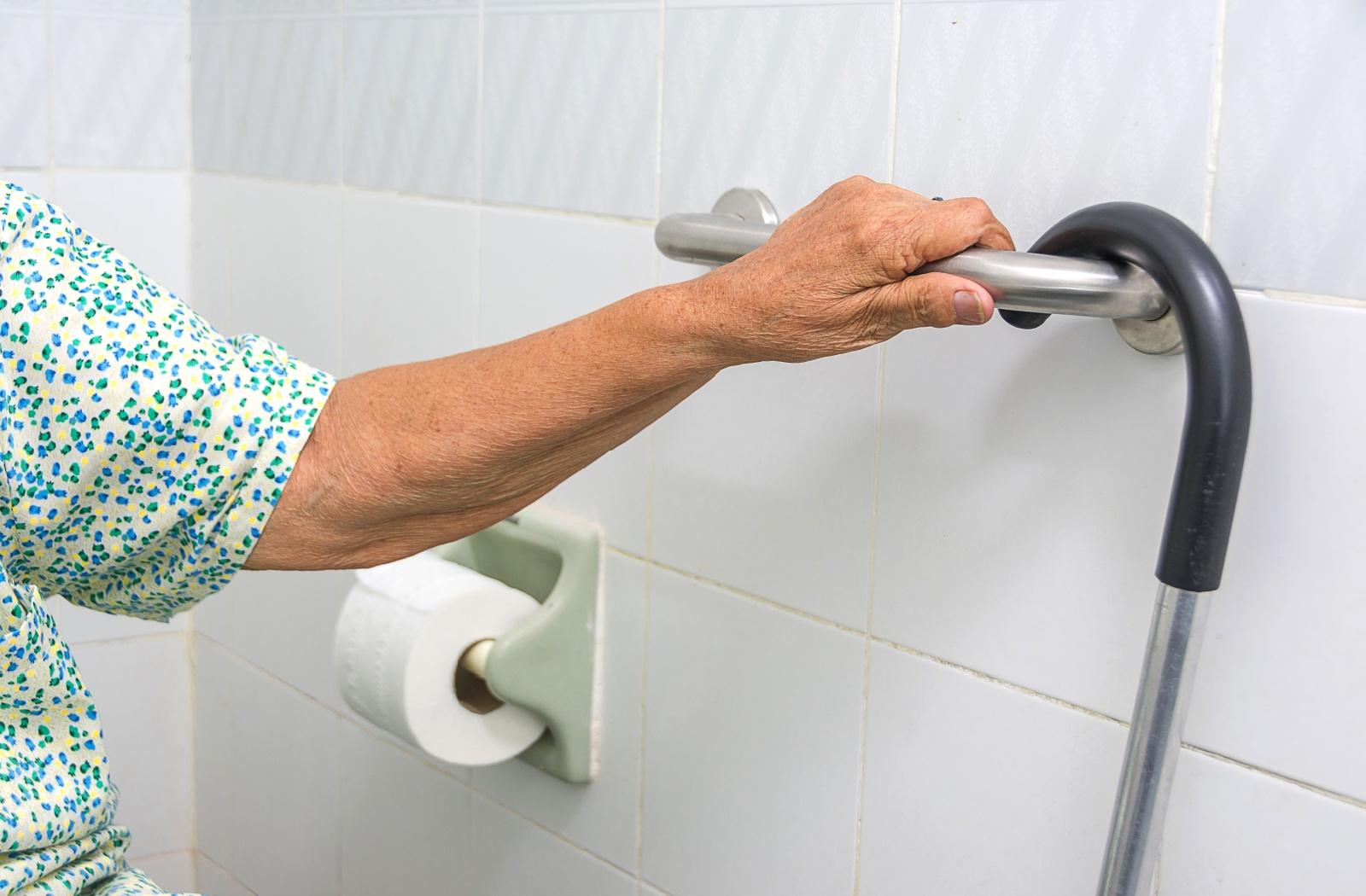
You’ll also want to see grab bars and handrails throughout hallways, bathrooms, and common areas. Non-slip flooring and adequate lighting in all spaces help prevent trips and falls, especially during nighttime bathroom visits.
Technology and Monitoring Systems for Around-the-Clock Care
Emergency Response Technology
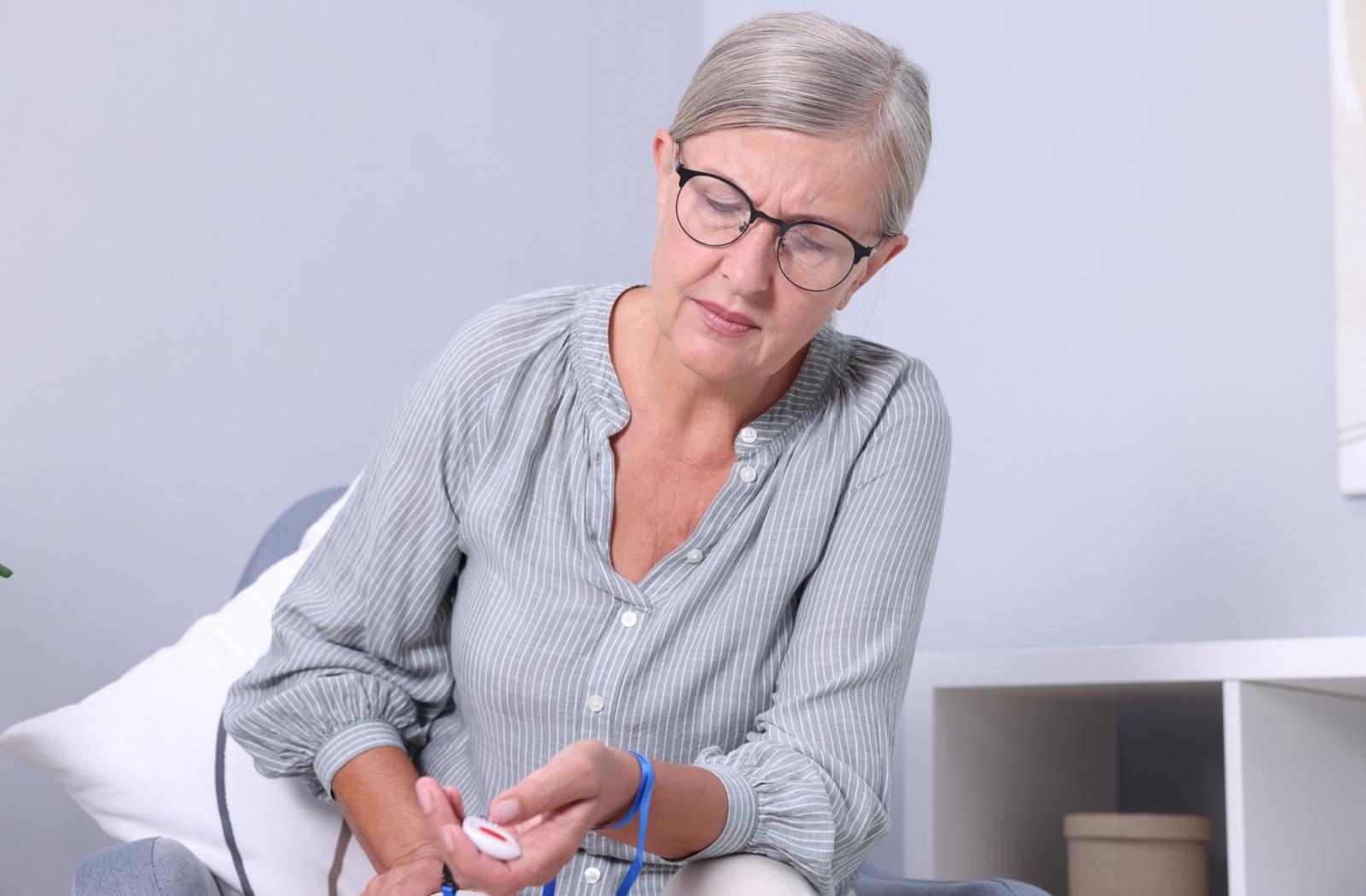
Every apartment should have 24-hour call systems that connect residents directly to associates. These aren’t just buttons on the wall—modern systems can include voice activation and automatic fall detection capabilities.
Medical alert monitoring devices provide additional peace of mind. Some residents wear these devices, while others benefit from room sensors that detect emergencies. Quick response communication tools help associates coordinate care and contact family members when needed.
Health Monitoring Solutions
Medication management becomes more complex with memory-related conditions. Look for communities with tracking systems that help associates monitor when medications are taken and watch for any concerning side effects or interactions.
Digital care coordination platforms allow associates to share important health information quickly. These systems track changes in behavior, appetite, sleep patterns, and other indicators that might signal health concerns.
Trained Associates and Specialized Care Approaches
Technology alone can’t provide the compassionate care your loved one needs. Memory care certified associates receive specialized training to understand the unique challenges of cognitive conditions. They learn how to communicate effectively, redirect challenging behaviors, and provide support with dignity.
Personalized care plan development means your family member receives individualized attention based on their specific needs, preferences, and life history. These plans adapt as conditions change over time.
Behavioral management training helps associates respond appropriately to confusion, agitation, or other behaviors that can occur with memory conditions. The goal is always to maintain your loved one’s comfort and sense of security.
Design Features That Support Cognitive Function
The physical environment plays a huge role in helping residents navigate their daily lives. Clear wayfinding systems and apartment identification help people find their way around independently. This might include color-coded hallways, picture-based signs, or familiar landmarks.
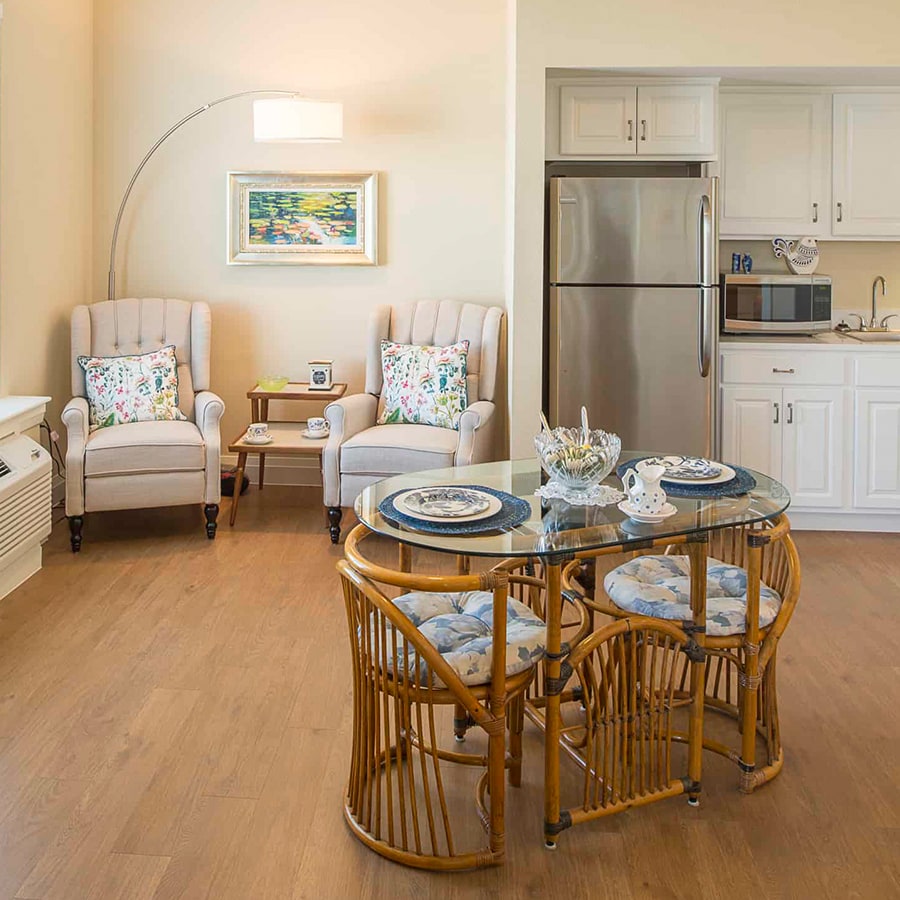
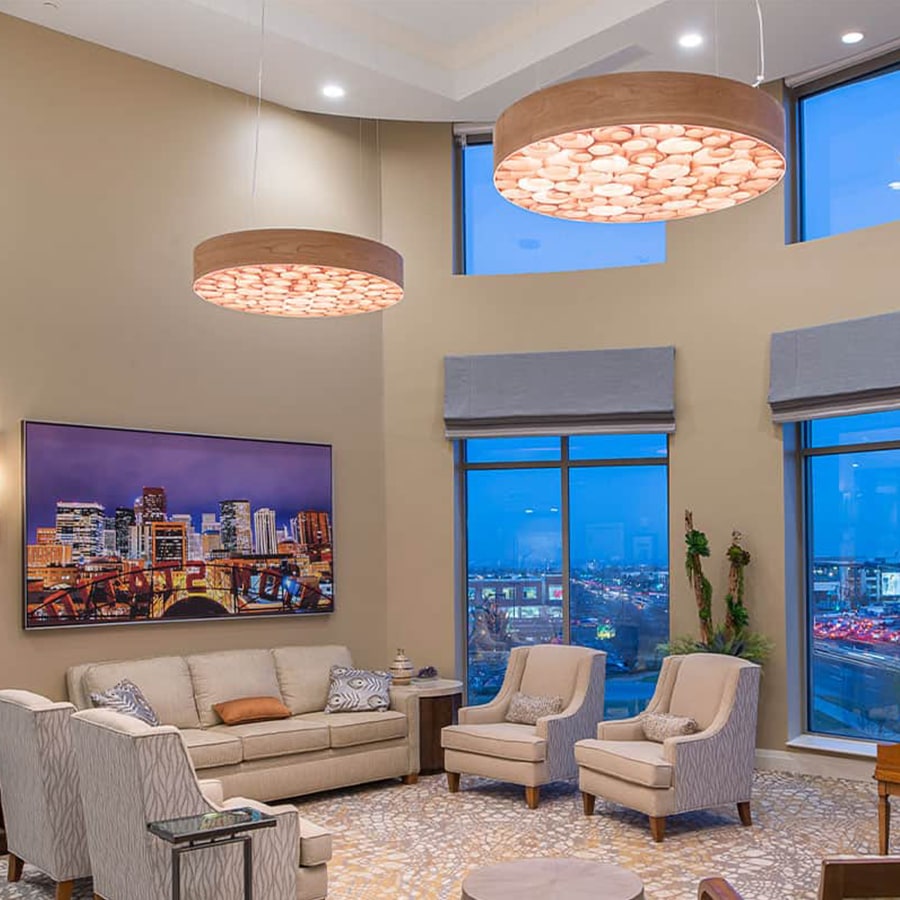
Calming color schemes and familiar layouts reduce confusion and anxiety. Many communities design spaces to feel homelike rather than clinical. Memory prompts and visual cues throughout the community help residents remember important information and maintain their routines.
How to Evaluate Safety During Your Community Visit
During your tour, ask specific questions about emergency procedures, associate training requirements, and how they handle medical situations. Find out about their safety record and any certifications they maintain.
Watch for red flags like inadequate lighting, cluttered walkways, or associates who seem rushed or unable to answer your safety questions. Pay attention to how current residents interact with associates and whether they seem comfortable in their environment.
The Village at Belmar combines all these safety features with our Touchpoints approach to memory care, creating a secure environment where your loved one can thrive. Schedule a tour to see how our comprehensive safety measures can provide the peace of mind your family needs.